The Philanthropist Who Built Libraries
Carnegie Libraries hold a special place in American history and in the hearts of generations of Americans. Funding their construction was the mission of Scottish immigrant, steel magnate, and philanthropist Andrew Carnegie (1835–1919). To celebrate his library legacy, the Andrew Carnegie Foundation, formerly Carnegie Corporation of New York, has made the library program’s historical data readily available through an interactive map featuring nearly 1,700 community libraries and more than 100 academic libraries built in the United States.
Explore the map to find Carnegie Libraries near you, discover archival records that tell the origin story of each location, and read and submit your own Carnegie Library stories and photographs.
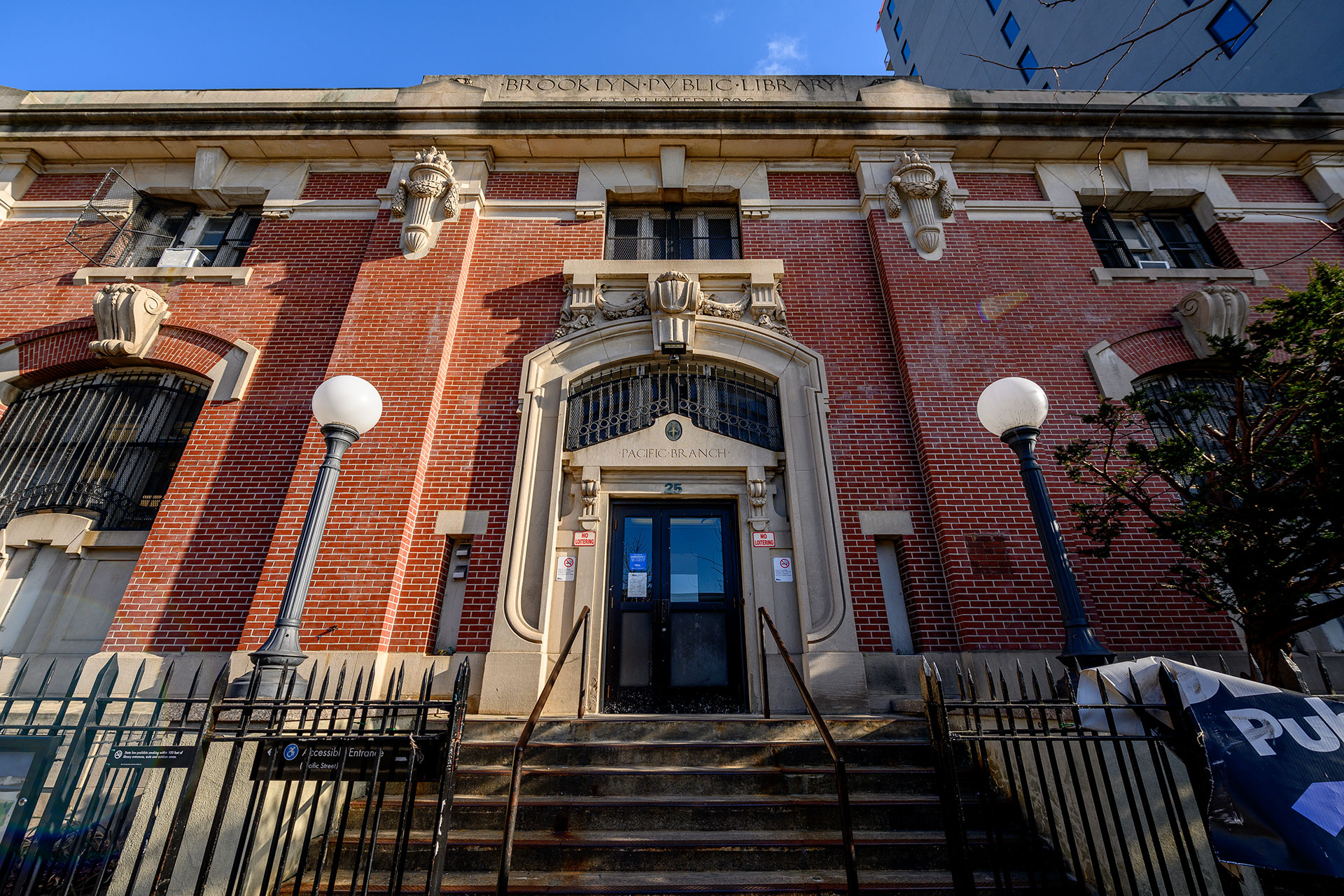
The first Carnegie Library constructed in Brooklyn, New York, opened in 1904 as the Pacific Branch Library. (Credit: Roy Rochlin/Getty Images)
By the Numbers
Starting in 1881 with a gift of a library to his birthplace, Dunfermline, Scotland, Carnegie and his foundation gave some $56 million to build 2,509 public libraries worldwide. Of these Carnegie Libraries (less than one-third of which bore the Carnegie name), 1,681 were built in the United States. The rest were located across the English-speaking world, including Great Britain, New Zealand, South Africa, and the West Indies. In addition to public libraries, Carnegie funded 108 library buildings on college campuses in the United States. View a timeline of Andrew Carnegie’s library legacy.
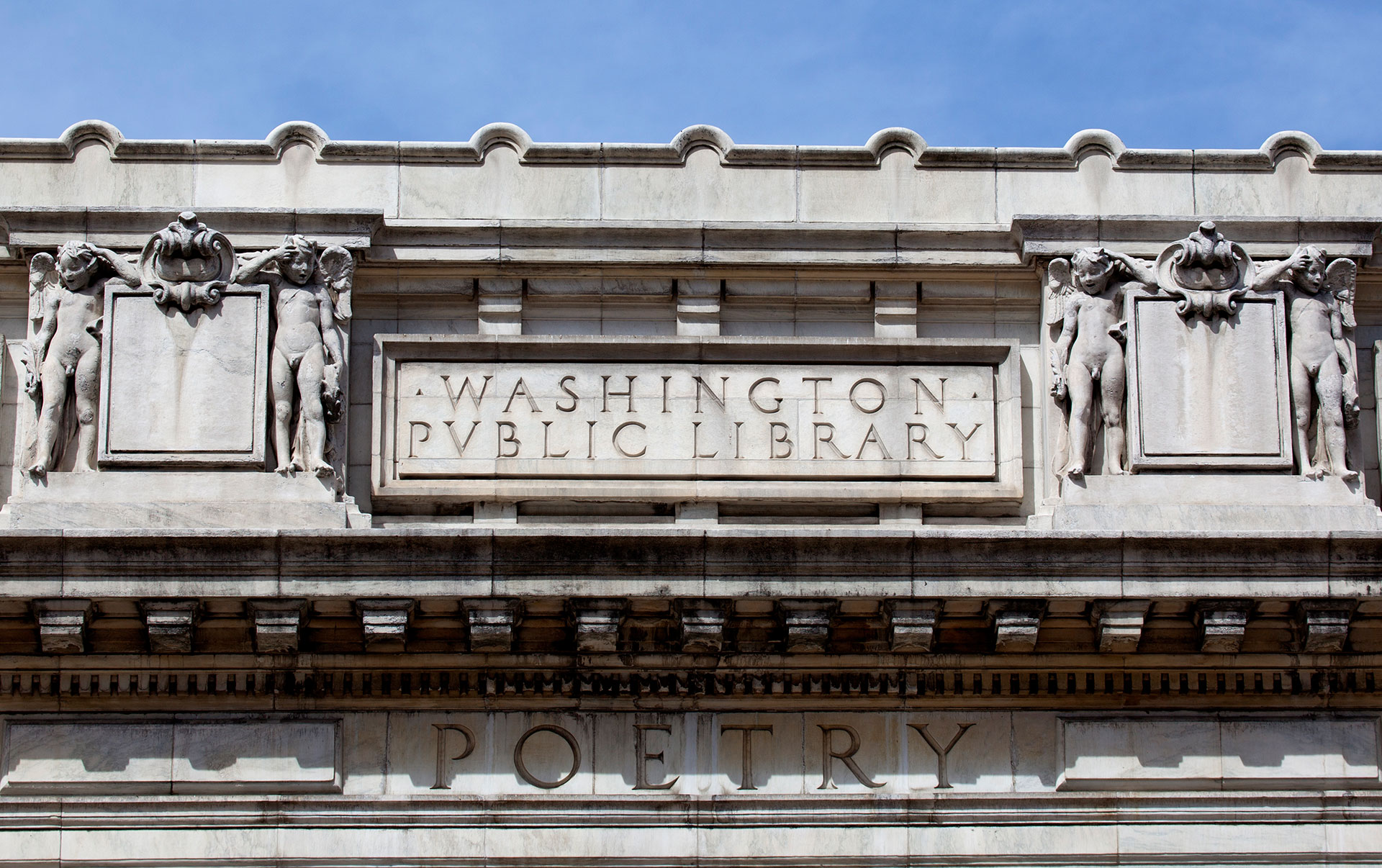
Andrew Carnegie attended the opening of the Central Public Library in Washington, D.C., in 1903. The Beaux-Arts style building was later acquired and restored by Apple and opened as the Apple Carnegie Library store in 2019. (Credit: Carol M. Highsmith/Buyenlarge/Getty Images)
‘Ladder of Opportunity’
Carnegie believed libraries were essential community resources. He often recalled immigrating to Allegheny, Pennsylvania, in 1848 and the life-changing experience of having access, when he was a 12-year-old working as a bobbin boy in a textile mill, to the private library of Colonel James Anderson, who lent books to young workers. “He only had about 400 volumes in his library, but they were valuable books, and I shall never forget the enjoyment and the instruction I gained from them when I was too poor to buy books myself,” Carnegie told The New York Times in 1899. “Is it any wonder that I decided then and there that if ever I had any surplus wealth I would use it in lending books to others?”
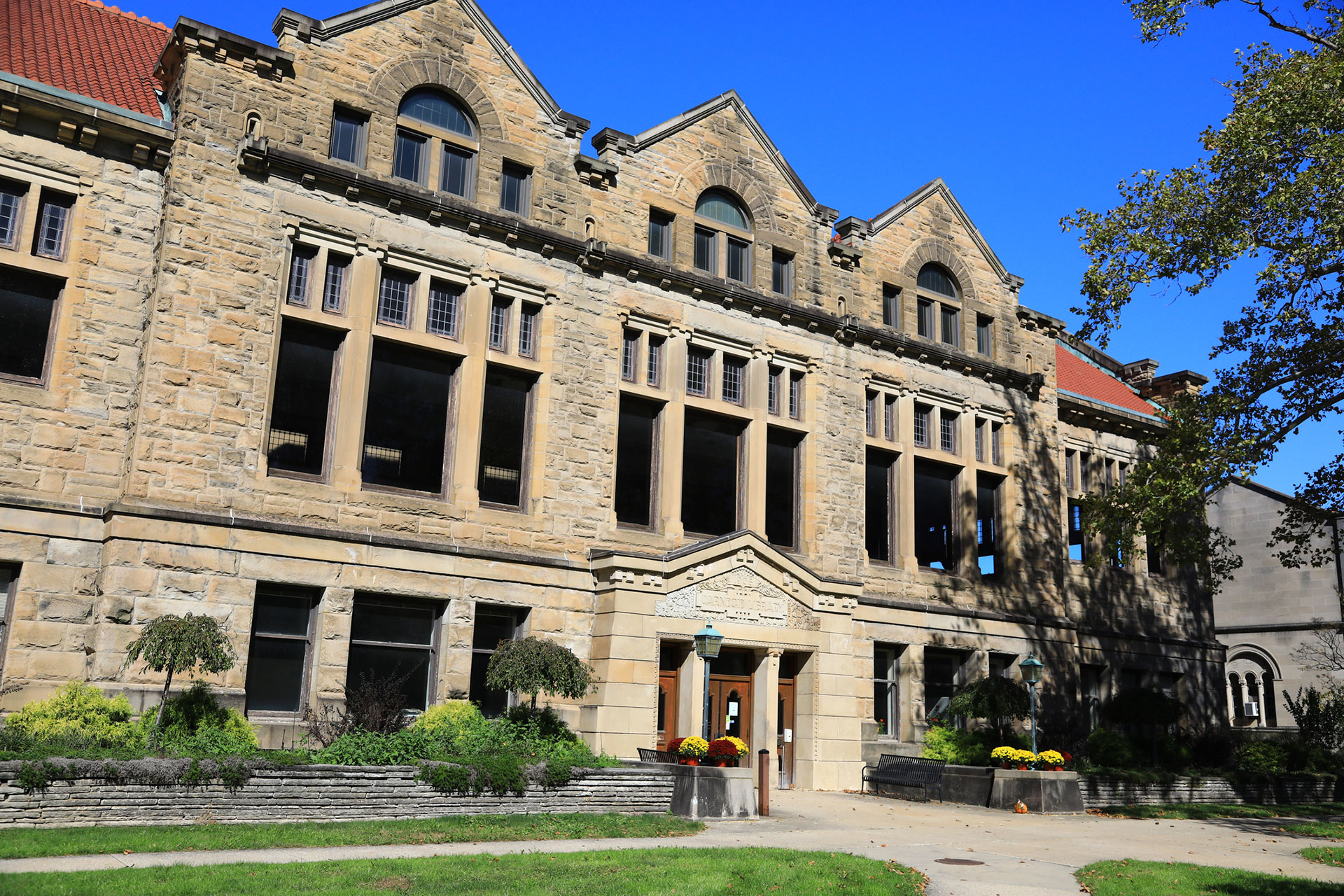
Carnegie funded construction of 108 libraries on college campuses, including the former main library of Oberlin College, which is now home to classrooms, labs, and offices. (Credit: Douglas Sacha/Getty Images)
About the Primary Sources for this Project
This project is based on several sources, chiefly the Library Program 1911–1961, a study published by the Andrew Carnegie Foundation, then Carnegie Corporation of New York, in 1963. It provides a history of the program, the locations of Carnegie Libraries worldwide, and library expenditures starting in 1881 with Andrew Carnegie’s first gift. In 1911, the foundation took over the program, administering construction grants until 1917, before focusing its grantmaking on other aspects of libraries and learning.
Many archival records included in the study date back to the late 19th century. In some cases, there are inconsistencies in the way information was reported. We are doing our best to correct for these through ongoing updates to the mapping project.
All library photos shown on the map are from Wikimedia Commons and adhere to public domain and Creative Commons licensing rules.
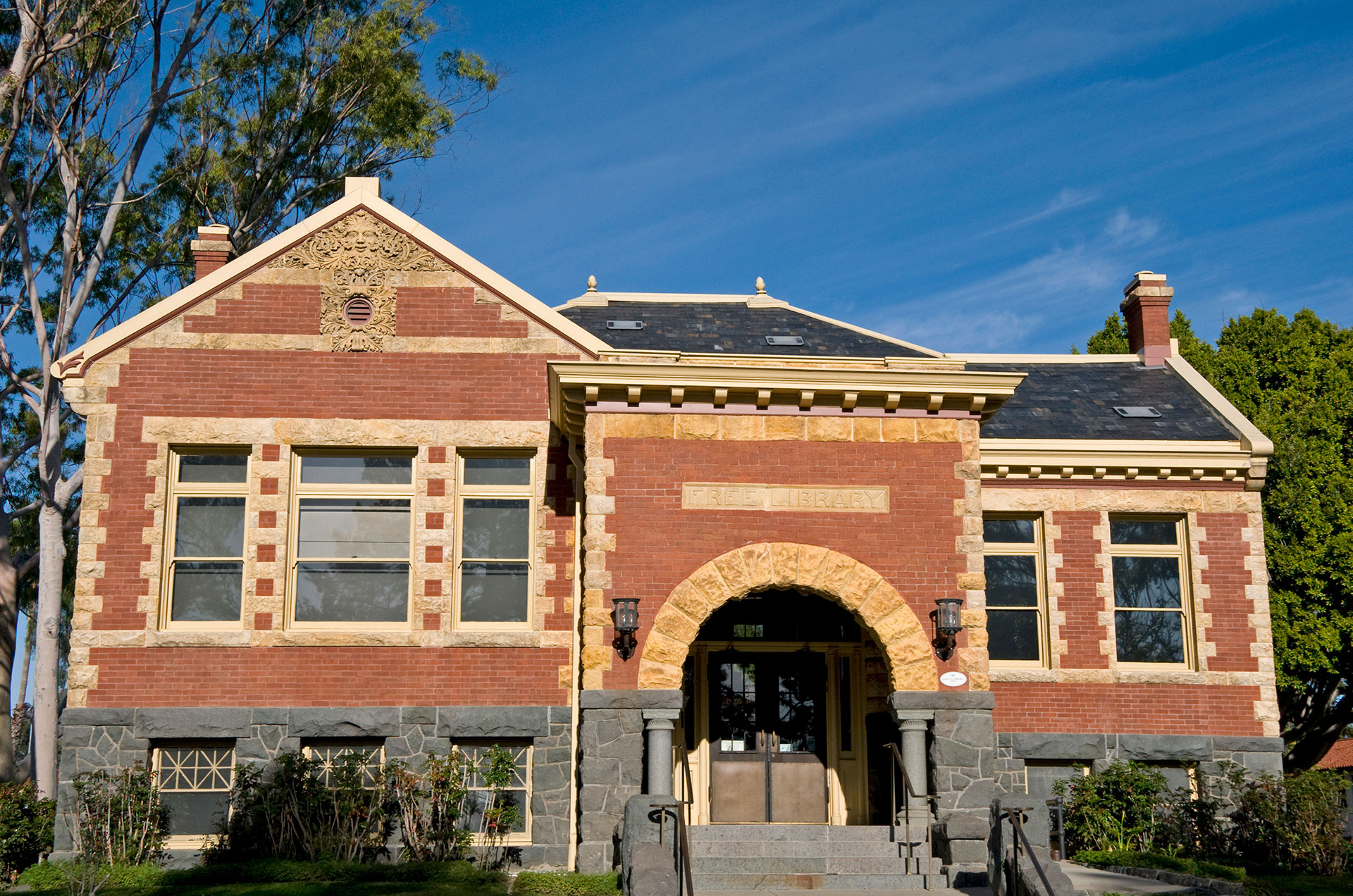
In 1903, Carnegie provided $10,000 to fund the construction of the San Luis Obispo Carnegie Library in California. Granite and sandstone from local quarries add to the architectural features. (Credit: NNehring/Getty Images)
About the Andrew Carnegie Foundation
The Andrew Carnegie Foundation, one of America’s oldest grantmaking foundations, was established in 1911 by Andrew Carnegie to promote the advancement and diffusion of knowledge and understanding. Today, the foundation works to reduce political polarization through philanthropic support for the issues that Carnegie considered most important: education, democracy, and peace. Learn more about how our foundation continues to support libraries today. Interested in news and stories about libraries? Sign up for Unstacked, Carnegie’s libraries newsletter.